High-Precision Resin SLA 3D Printing in Brisbane
Achieve micron-level detail and surface smoothness that FDM cannot match. Our Stereolithography (SLA) services transform complex digital geometries into tangible, high-resolution components for engineers, designers, and medical architects.
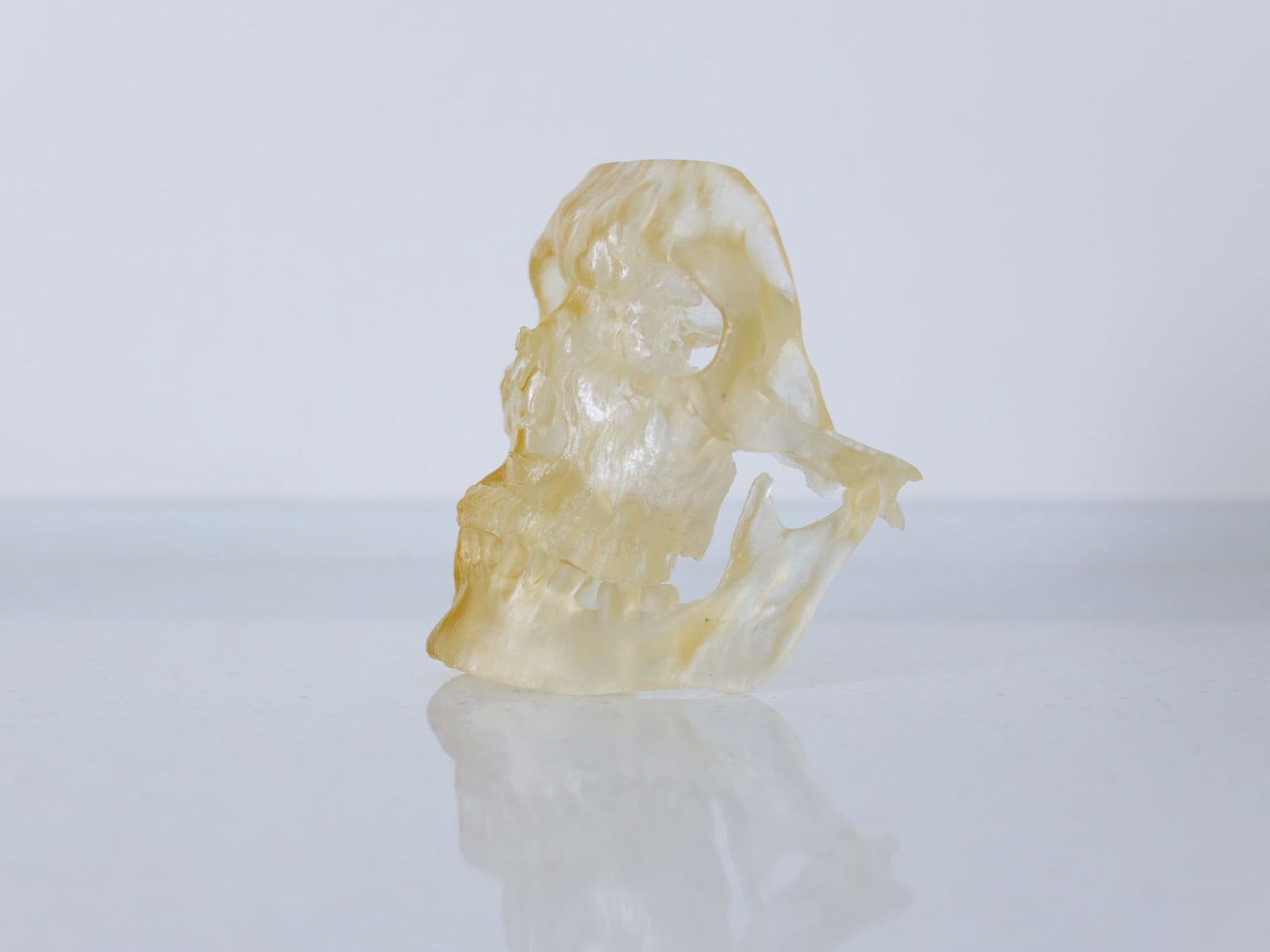
Resin SLA printing represents the pinnacle of additive manufacturing for applications where aesthetics and dimensional accuracy are non-negotiable. Unlike traditional filament-based printing, SLA uses a UV laser to cure liquid photopolymer resin layer by layer, resulting in nearly invisible layer lines and a professional, injection-moulded appearance right off the build plate.
At Bandhdelta, we specialise in bridging the gap between a conceptual sketch and a functional prototype. Whether you require a highly detailed miniature for a presentation or a tough engineering component for a mechanical fit-test, our Brisbane studio provides the technical expertise and material variety to ensure your project succeeds. We focus on the intersection of chemical stability and geometric precision, ensuring every part is cured to its optimal mechanical properties.
Our SLA Production Process
File Validation
We analyse your STL or STEP files for manifold errors, wall thickness, and support requirements to prevent print failure.
Laser Polymerisation
The UV laser precisely cures the liquid resin in our controlled environment, maintaining a strict 0.2mm dimensional tolerance.
Chemical Wash
Parts are submerged in an isopropyl alcohol (IPA) bath to remove uncured resin and ensure crisp detail in every crevice.
UV Post-Curing
The final stage involves exposure to high-intensity UV light to stabilise the polymer chain and reach full material strength.
Who Benefits from Resin Printing?
SLA technology is the primary choice for clients who cannot tolerate the "ribbed" texture of FDM prints. We frequently work with the following professional groups in Queensland:
- Industrial Designers: Creating high-fidelity aesthetic models for stakeholder approval and consumer focus groups.
- Jewellery Designers: Producing high-resolution castable wax patterns for investment casting.
- Mechanical Engineers: Developing small, complex interlocking parts where tight tolerances are critical for assembly.
- Architects: Printing intricate site models with fine structural details that would be impossible with larger nozzles.
- Medical Specialists: Creating anatomical models from CT/MRI data for surgical planning or educational purposes.
Technical Workflow and Quality Control
Our approach to SLA printing is rooted in predictability. Every project begins with a material assessment. Depending on the application, we select between Standard Resin for visual prototypes or Tough Resin for components requiring impact resistance. We don't just "hit print"; we optimise the orientation of the part on the build plate to minimise support marks on critical surfaces.
Quality control is integrated into every step. After the wash cycle, our technicians manually inspect the part for any "trapped" resin or structural voids. The final UV curing process is timed precisely to avoid over-curing, which can lead to brittleness or warping. This rigorous attention to detail is why we can maintain a consistent 0.2mm tolerance across our fleet of 14 machines.
Client Requirements: What to Prepare
To ensure the fastest turnaround and the highest quality, we ask our clients to provide the following:
- Digital Files: STL, OBJ, or STEP files. Please ensure the model is "watertight" (no holes in the mesh).
- Scale Specifications: Clear instructions on the final dimensions in millimetres.
- Material Preference: If you are unsure, describe the part's end-use (e.g., "needs to withstand slight bending" or "only for visual display").
- Surface Requirements: Indicate which faces are "critical" so we can place supports on the non-visible areas.
Deliverables: What You Receive
Upon completion, your order is carefully packaged to prevent chipping during transit. You will receive:
- The fully cured and cleaned resin parts, free of support structures.
- A high-resolution photo of the finished part sent to your email before dispatch.
- Detailed packaging that protects the high-resolution surface finish.
- If we performed the modelling, the final STL/STEP file is transferred after final payment.
Lead Times and Scheduling
Our average prototype lead time is 3 days. This includes the time for file validation, the printing process, and the essential post-curing stages. For larger batches or highly complex geometries that require extensive support removal, we provide a custom timeline during the quoting phase. We operate Monday to Saturday in Brisbane, and all urgent requests are subject to a 30% surcharge as per our business rules.
Exclusions and Limitations
To maintain safety and legal compliance, Bandhdelta does not provide printing services for the following:
- Firearms, weapon components, or any tactical hardware.
- Certified medical implants or internal surgical devices.
- Aerospace or automotive parts that require official safety certification.
- Direct copies of trademarked designs or intellectual property without written permission from the owner.
Pricing Structure and GST
Our SLA pricing is calculated based on the volume of resin consumed (measured in millilitres) and the complexity of the post-processing required. All prices listed below include the 10% Goods and Services Tax (GST) applicable in Australia. For B2B clients, we provide invoices showing the price ex GST for tax reclamation purposes. We require a 50% deposit for all new projects, with a minimum order value of A$45.
Resin Printing Price List
| Material Grade | Price (inc GST) | Price (ex GST) | Unit |
|---|---|---|---|
| Standard Resin (Visual) | A$4.10 | A$3.73 | per ml |
| Tough / Engineering Resin | A$6.50 | A$5.91 | per ml |
Service Inclusions
- Complete UV laser polymerisation in a temperature-controlled studio.
- Professional IPA washing to remove all liquid residue.
- Secondary UV chamber curing for maximum mechanical stability.
- Manual removal of support structures.
- Dimensional verification against provided digital files.
- Secure packaging for local Brisbane delivery or shipping.
For those who require their parts to be painted or sanded for a mirror-like finish, we recommend our Post-Processing service.
Frequently Asked Questions
What is the difference between Standard and Tough resin?
Standard resin is ideal for high-detail visual models, miniatures, and prototypes where the primary goal is appearance. Tough resin is engineered to mimic the properties of ABS plastic, offering higher impact resistance and flexibility, making it suitable for functional snap-fits and mechanical parts.
How accurate are the dimensions of an SLA print?
We maintain a dimensional tolerance of 0.2mm. While SLA is significantly more accurate than FDM, some shrinkage can occur during the UV curing process. We account for this in our setup to ensure the final part meets your specifications.
Can I print large parts using SLA?
Our maximum build volume is 400x400x400 mm. If your part exceeds these dimensions, we can discuss splitting the model into interlocking components that are printed separately and then bonded together.
How should I store my resin parts to prevent degradation?
Resin parts can be sensitive to prolonged direct sunlight. We recommend storing them in a cool, dry place away from UV exposure to prevent yellowing or becoming overly brittle over time.
For more information on our operational standards, please refer to our Terms and Conditions. If you are unsure which material is best for your specific application, we highly recommend reading our guide on Choosing the Right 3D Printing Material.
Ready to start your project? Request an SLA Quote or explore our other 3D printing services.